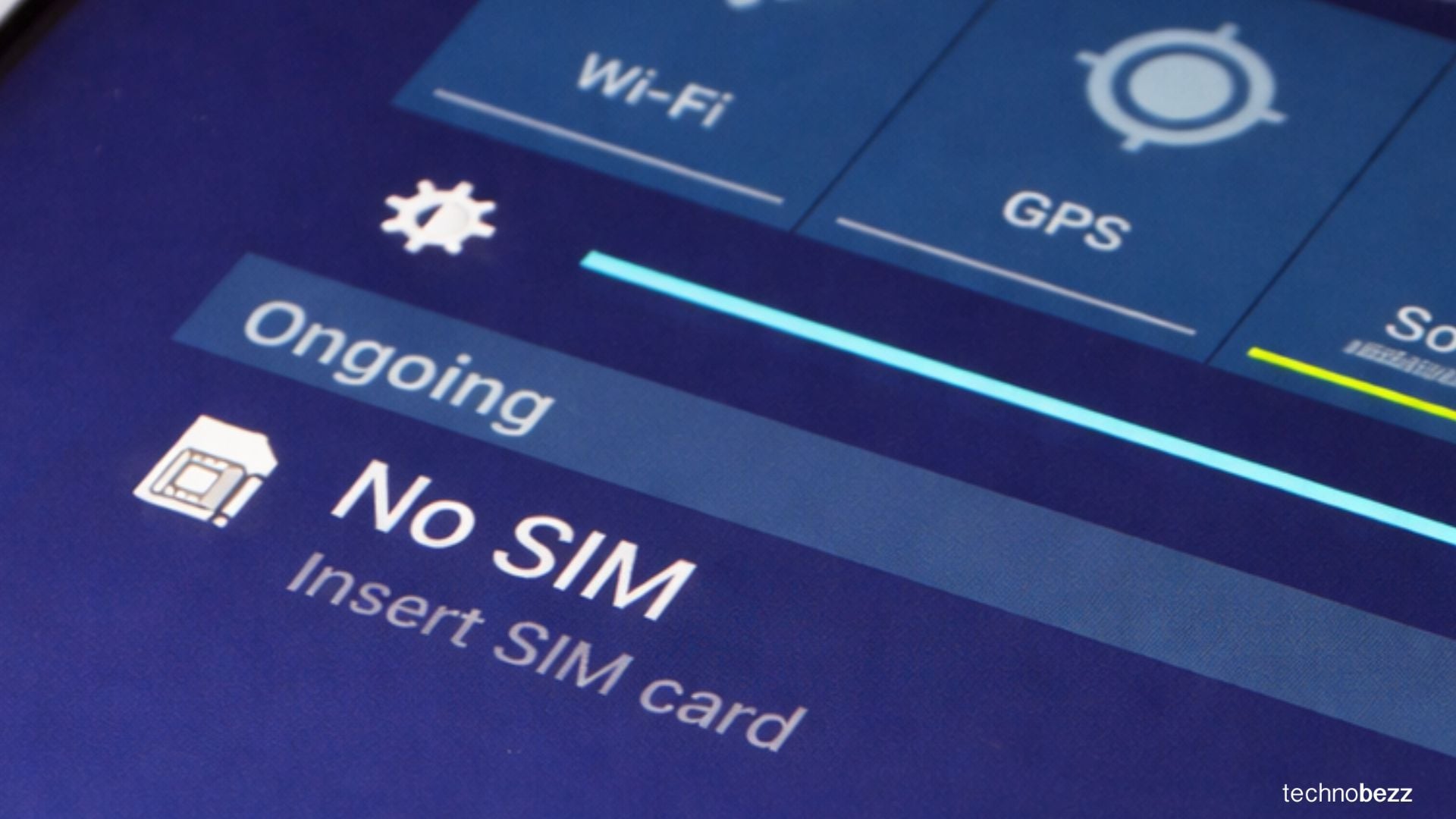

If your iPad 10th Generation is showing "No SIM" or "Invalid SIM," it's usually a quick fix. This can happen after an iPadOS update or if the card gets a bit dirty. Let's start with the most common solution.
First, try a force restart. This clears temporary glitches without deleting any data. Press and quickly release the Volume Up button, then press and quickly release the Volume Down button. Finally, press and hold the Top button until you see the Apple logo appear on the screen.
While you're restarting, it's a good time to check your cellular data is actually turned on. Swipe down from the top-right corner to open Control Center and make sure the Cellular Data icon is blue. If you see the Airplane Mode icon is on, tap it to turn it off, wait a few seconds, then tap it again to turn it back on.
Check Your SIM Card and Tray
Power off your iPad completely. Find the SIM ejector tool that came in the box (a paperclip works in a pinch) and gently push it into the small hole on the right side of the iPad. The tray should pop out.
Carefully remove the SIM card. Look at the gold contacts for any scratches, dirt, or corrosion. Gently wipe them with a clean, dry microfiber cloth. Also, peek inside the SIM tray slot on the iPad for any dust or debris and blow it out gently.
When reinserting, make sure the card is seated correctly in the tray and that the tray itself goes back in smoothly. A misaligned tray is a common culprit. Turn your iPad back on and see if it recognizes the network.
Update Your iPadOS Software
Outdated software can cause conflicts with cellular services. Go to Settings > General > Software Update. If an update is available, I'd recommend installing it while connected to Wi-Fi.
Make sure your iPad is plugged into power using a 20W or higher USB-C charger during the update. The 10th Gen's battery is large, and a slow charge could interrupt the process.
Reset Your Network Settings
This is a stronger step that clears all saved Wi-Fi passwords, cellular settings, and VPN configurations. It won't touch your personal data like photos or apps.
To do this, open Settings, tap General, scroll down and tap Transfer or Reset iPad. Then, select Reset and choose Reset Network Settings. You'll need to enter your passcode to confirm.
After the iPad restarts, you'll have to reconnect to Wi-Fi and re-enter any passwords. Your cellular plan should reactivate automatically, but it might take a minute.
Check for a Carrier Settings Update
Sometimes, your mobile carrier pushes small updates that help your iPad connect to their network. These happen automatically, but you can check.
Make sure you have a cellular signal (even one bar will do). Then, go to Settings > General > About. If a carrier settings update is available, a prompt will appear on this screen. Just follow the instructions to install it.
Verify Your Cellular Plan is Active
It sounds obvious, but it's worth confirming your data plan is still active and paid up. A quick call to your carrier's support can clear this up. While you have them on the line, ask them to reprovision your line on their network.
This is like refreshing your account from their end and can solve activation hiccups. Also, confirm that your plan includes data for tablets and that your SIM card is the correct type for the iPad 10th Gen.
Try Manual Network Selection
Your iPad usually finds the best network automatically. If there's an issue with that process, you can choose it yourself. Go to Settings > Cellular > Network Selection.
Turn off the "Automatic" toggle. Your iPad will search for available networks. When the list appears, select your carrier's name. If your carrier doesn't appear, there might be a coverage issue in your area.
Review Your Cellular Data Options
In some regions or with certain carriers, you might need to adjust the data mode. Go to Settings > Cellular > Cellular Data Options.
Tap Voice & Data. If available, try selecting 5G Auto or LTE instead of "5G On" to see if the connection stabilizes. You can also check that Data Roaming is turned on if you're traveling.
Consider an eSIM
The iPad 10th Generation supports eSIM, which is a digital SIM built into the device. If your physical SIM tray is damaged or the card keeps failing, switching to an eSIM can be a permanent solution.
Contact your carrier to see if they support eSIM activation for tablets. They can guide you through transferring your number digitally, often by scanning a QR code with your iPad's camera.
Restore Your iPad
If you've tried everything else and the SIM works in another device, a software corruption might be the cause. First, make a complete backup of your iPad to iCloud or your computer.
Then, you can restore it. The surest method is to put your iPad into recovery mode and restore it via a computer. Connect your iPad to a Mac or PC with a USB-C cable, perform the force restart steps, but keep holding the Top button until you see the recovery mode screen.
From there, you can choose "Restore" in Finder (on Mac) or iTunes (on Windows). This installs a clean copy of iPadOS. Afterward, you can set it up as new to test the SIM, or restore from your backup.